Effectively combat Seasonal Affective Disorder (SAD) and enhance your winter wellness in 2025 by implementing proactive strategies like light therapy, balanced nutrition, and stress management techniques.
Por: Igor Teixeira em 24 de novembro de 2025
Última atualização em: 5 de dezembro de 2025
Advertisements
Effectively combat Seasonal Affective Disorder (SAD) and enhance your winter wellness in 2025 by implementing proactive strategies like light therapy, balanced nutrition, and stress management techniques.
Advertisements
As the days shorten and the chill of winter truly sets in, many individuals find themselves grappling with more than just the cold. For a significant portion of the population, the seasonal shift can trigger a profound impact on mood and energy levels, a condition known as Seasonal Affective Disorder (SAD). Understanding how to combat Seasonal Affective Disorder: time-sensitive tips for winter wellness in 2025 is not merely about enduring the colder months, but about thriving through them. This article delves into practical, evidence-based strategies to help you navigate the winter of 2025 with renewed vigour and mental clarity.
Understanding Seasonal Affective Disorder (SAD)
Seasonal Affective Disorder, often referred to as SAD, is a type of depression that recurs with the changing seasons, typically beginning in late autumn or early winter and ending in spring or early summer. It is more than just the ‘winter blues’; it is a clinically recognised mood disorder that can significantly impair daily functioning and overall quality of life. Recognising the symptoms and understanding its underlying causes are the first crucial steps toward effective management and fostering robust winter wellness in 2025.
Advertisements
The exact cause of SAD is not fully understood, but it is believed to be linked to the reduction in natural light during winter. This decrease in light can disrupt the body’s internal clock, reduce serotonin levels (a neurotransmitter affecting mood), and alter melatonin production (a hormone influencing sleep patterns). These physiological changes can lead to a cascade of symptoms that impact mental and physical well-being. It is important to differentiate between transient low moods and the persistent, debilitating symptoms characteristic of SAD.
Key Symptoms of SAD
Identifying the common symptoms of SAD is vital for early intervention. While individual experiences vary, several core indicators are frequently reported by those affected. These symptoms often develop gradually as the seasons change, becoming more pronounced during the darkest months of winter. Pay attention to how these changes impact your daily routine and overall emotional state.
Persistent low mood, sadness, or feelings of hopelessness.
Loss of interest or pleasure in activities once enjoyed.
Changes in appetite, often leading to carbohydrate cravings and weight gain.
Increased need for sleep, feeling sluggish or lethargic.
Difficulty concentrating, feeling irritable, or experiencing social withdrawal.
Understanding SAD is about more than just acknowledging the symptoms; it’s about recognising the cyclical nature of the disorder and preparing for it proactively. By being aware of its potential onset and specific manifestations, individuals can better arm themselves with strategies to mitigate its impact and maintain a greater sense of well-being throughout the year, particularly as we approach winter wellness in 2025.
Harnessing Light Therapy for Mood Enhancement
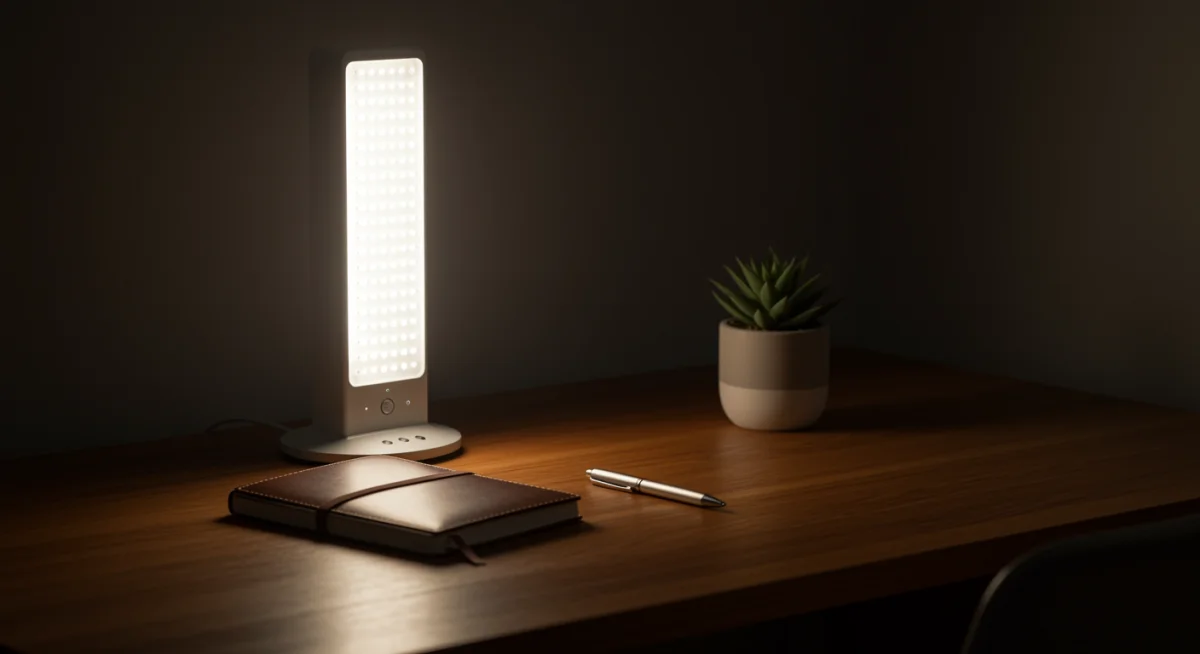
Light therapy, also known as phototherapy, stands as one of the most effective and widely recommended treatments for Seasonal Affective Disorder. The principle is simple yet powerful: exposure to bright artificial light mimics natural outdoor light, helping to reset the body’s circadian rhythm and alleviate SAD symptoms. As we look towards winter wellness in 2025, integrating light therapy into your daily routine could be a game-changer, offering a non-invasive way to counteract the effects of diminished daylight.
The efficacy of light therapy is rooted in its ability to influence brain chemistry. By stimulating the retina, the bright light can help regulate the production of melatonin, which controls sleep, and serotonin, which influences mood. Regular use, particularly in the morning, can help synchronise your internal clock with the external environment, reducing feelings of lethargy and improving overall mood and energy levels. Selecting the right light therapy device and establishing a consistent schedule are paramount for achieving optimal results.
Choosing the Right Light Therapy Lamp
Not all light therapy lamps are created equal. To ensure effectiveness and safety, it’s crucial to select a lamp specifically designed for SAD treatment. These devices typically emit 10,000 lux of light and are designed to filter out harmful UV rays. Consider factors like size, portability, and additional features that might enhance your experience. Consulting with a healthcare professional can also help determine the most suitable option for your individual needs and ensure proper usage.
Brightness (Lux): Aim for a lamp that provides 10,000 lux of illumination.
UV Filtration: Ensure the lamp filters out harmful ultraviolet light.
Placement and Angle: Position the lamp at eye level, allowing the light to enter your eyes indirectly.
Duration and Timing: Typically, 20-30 minutes of exposure each morning is recommended.
Integrating light therapy into your morning routine can significantly impact your winter wellness. Whether it’s during breakfast, while reading, or working at your desk, consistency is key. By proactively incorporating this simple yet powerful tool, you can help mitigate the seasonal dip in mood and energy, making winter 2025 a period of well-being rather than struggle.
Optimising Nutrition for Winter Resilience
Beyond light and activity, what we consume plays a monumental role in our mental and physical resilience, especially when aiming to combat Seasonal Affective Disorder and enhance our overall winter wellness in 2025. The colder months often tempt us towards comforting, carbohydrate-heavy foods, which can provide temporary relief but may ultimately contribute to energy crashes and mood fluctuations. A thoughtful approach to nutrition can provide the sustained energy and mood stability needed to thrive.
Focusing on nutrient-dense foods can help support brain health, regulate mood, and boost immunity, which is particularly important during winter. Essential vitamins and minerals, such as Vitamin D, Omega-3 fatty acids, and B vitamins, are critical for neurotransmitter function and overall well-being. Incorporating a variety of colourful fruits and vegetables, lean proteins, and healthy fats can create a robust nutritional foundation to ward off the winter blues.
Key Nutritional Strategies
Adopting specific dietary habits can make a substantial difference in managing SAD symptoms. Prioritising foods that support serotonin production and reduce inflammation can lead to more stable energy levels and improved mood. Planning meals and snacks that are both nourishing and satisfying can help prevent reliance on less healthy comfort foods, ensuring sustained winter wellness.
Vitamin D Rich Foods: Include fatty fish (salmon, mackerel), fortified dairy, or consider supplements.
Omega-3 Fatty Acids: Consume flaxseeds, chia seeds, walnuts, and oily fish for brain health.
Complex Carbohydrates: Opt for whole grains, oats, and sweet potatoes for sustained energy.
Probiotic Foods: Support gut health with fermented foods like yoghurt, kefir, and sauerkraut.
A well-balanced diet is not just about physical health; it’s a cornerstone of mental resilience. By making conscious food choices, you can proactively fortify your body and mind against the challenges of winter, ensuring you feel your best as you navigate winter wellness in 2025.
Embracing Movement and Outdoor Exposure
Physical activity and exposure to natural environments are powerful antidotes to the lethargy and low mood often associated with Seasonal Affective Disorder. Even during the colder months, making a conscious effort to move your body and spend time outdoors can significantly boost your mood, improve sleep quality, and enhance overall winter wellness in 2025. It’s about finding ways to stay active that align with your preferences and the seasonal conditions.
Exercise, regardless of intensity, releases endorphins, natural mood elevators that can help counteract feelings of sadness and anxiety. Furthermore, even brief exposure to natural light and fresh air can stimulate serotonin production and help regulate your circadian rhythm, reinforcing the benefits of light therapy. The key is to overcome the initial resistance that winter often brings and commit to a consistent routine.
Creative Ways to Stay Active in Winter
When outdoor conditions are less inviting, finding alternative ways to incorporate movement into your day becomes essential. This might involve exploring new indoor activities or bundling up for brisk walks. The goal is to maintain a regular exercise schedule that keeps your energy levels up and your mind clear. Even short bursts of activity can accumulate and provide significant mental health benefits.
Morning Walks: Even 15-20 minutes in the morning can boost mood and wakefulness.
Indoor Workouts: Explore home exercise routines, online classes, or gym memberships.
Winter Sports: Embrace activities like skiing, snowboarding, or ice skating if accessible.
Mindful Movement: Practise yoga or Pilates to combine physical activity with mental calm.
Making movement a non-negotiable part of your daily life, even when motivation wanes, is crucial for combating SAD. By prioritising physical activity and seeking out opportunities for outdoor exposure, you are actively investing in your mental and physical health, paving the way for a more vibrant winter wellness in 2025.
Mindful Practices and Stress Management
Beyond the physical interventions, cultivating mental resilience through mindful practices and effective stress management techniques is indispensable for navigating Seasonal Affective Disorder. The winter months can often bring increased stress, social isolation, and a sense of overwhelm, all of which can exacerbate SAD symptoms. Integrating mindfulness into your daily routine offers powerful tools to maintain emotional balance and foster comprehensive winter wellness in 2025.
Mindfulness helps you become more aware of your thoughts and feelings without judgment, allowing you to observe seasonal shifts in mood rather than being consumed by them. Stress management techniques provide practical ways to cope with daily pressures, preventing them from escalating into chronic stress that can deplete your energy and worsen depressive symptoms. These practices encourage a proactive rather than reactive approach to mental health.
Integrating Mindfulness into Daily Life
Mindfulness doesn’t require hours of meditation; it can be woven into everyday activities. Simple practices can help anchor you in the present moment, reducing rumination and anxiety. Similarly, identifying and addressing sources of stress, and developing healthy coping mechanisms, are vital for maintaining equilibrium during the challenging winter period. Prioritising self-care and setting realistic expectations for yourself can also contribute significantly to your overall well-being.
Daily Meditation: Even 5-10 minutes of guided meditation can reduce stress.
Mindful Eating: Pay attention to the sensory experience of your meals.
Deep Breathing Exercises: Use controlled breathing to calm your nervous system.
Journaling: Express thoughts and feelings to gain clarity and reduce emotional burden.
By consciously incorporating mindful practices and stress-reducing strategies, you empower yourself to better manage the emotional landscape of winter. These tools are not just about coping; they are about building a foundation of inner strength that supports your winter wellness in 2025, allowing you to approach the season with greater peace and resilience.
Building a Supportive Winter Routine for 2025
One of the most effective strategies to combat Seasonal Affective Disorder is establishing a structured and supportive winter routine. The predictability and purposefulness of a well-planned day can provide a sense of control and stability during a season that often feels unpredictable. For optimal winter wellness in 2025, consider how you can design your days to maximise exposure to light, maintain social connections, and prioritise self-care, even amidst the seasonal challenges.
A routine helps regulate your body’s internal clock, which is often disrupted by shorter daylight hours. It ensures you consistently incorporate mood-boosting activities, from light therapy to exercise, and helps prevent social isolation. Building a routine is about creating a framework that supports your physical and mental health, allowing you to proactively manage SAD symptoms rather than react to them as they arise.
Elements of an Effective Winter Routine
Crafting a winter routine involves more than just scheduling appointments; it’s about intentionally planning activities that nourish your mind and body. This includes consistent sleep patterns, regular social interactions, and dedicated time for relaxation and hobbies. The goal is to create a rhythm that promotes energy, positivity, and a sense of accomplishment throughout the colder months.
Consistent Sleep Schedule: Go to bed and wake up at the same time daily, even on weekends.
Social Engagement: Schedule regular meet-ups with friends or family to combat isolation.
Hobby Time: Dedicate time to enjoyable activities that provide a sense of purpose.
Professional Support: Don’t hesitate to seek therapy or counselling if symptoms persist.
A well-structured winter routine is a powerful preventative and management tool for SAD. By thoughtfully planning your days and prioritising activities that support your well-being, you can significantly enhance your ability to maintain winter wellness in 2025, transforming a potentially challenging season into one of growth and resilience.
Future-Proofing Your Wellness: Beyond 2025
While our focus has been on specific, time-sensitive tips for winter wellness in 2025, the principles of combating Seasonal Affective Disorder extend far beyond a single year. Developing sustainable habits and a deeper understanding of your own patterns are key to future-proofing your mental and physical health against the recurring challenges of seasonal changes. This involves not just reacting to symptoms, but building a lifestyle that proactively supports your well-being year-round.
Long-term wellness involves continuous self-assessment, adaptation, and a willingness to explore new strategies as needed. It’s about recognising that your needs may evolve and being flexible enough to adjust your approach. Cultivating a holistic perspective on health, one that integrates physical activity, nutrition, mental resilience, and social connection, will serve you well in all seasons, for many years to come.
Sustainable Wellness Practices
To ensure lasting resilience against SAD, consider integrating practices that become second nature, ingrained in your daily life regardless of the season. This might involve year-round vitamin D supplementation, maintaining an active lifestyle, or consistently engaging in mindfulness. The goal is to create a foundation of health that makes seasonal transitions smoother and less impactful on your overall well-being.
Annual Check-ups: Discuss SAD prevention and management with your doctor regularly.
Year-Round Light Exposure: Continue outdoor activities or light therapy even in brighter months if beneficial.
Community Involvement: Stay connected with groups or activities that offer social support.
Learning and Growth: Continuously educate yourself on mental health and self-care strategies.
By adopting these sustainable wellness practices, you are not just preparing for winter wellness in 2025; you are investing in a healthier, happier future. Building a robust framework for mental and physical health ensures that you are equipped to face seasonal changes with confidence and maintain a vibrant quality of life, irrespective of the weather outside.
Key Strategy
Brief Description
Light Therapy
Daily exposure to 10,000 lux light mimics natural sunlight, regulating mood and sleep patterns.
Optimised Nutrition
Focus on Vitamin D, Omega-3s, and complex carbohydrates to support brain health and energy.
Movement & Outdoors
Regular exercise and brief outdoor exposure boost mood and regulate circadian rhythm.
Mindful Practices
Meditation, deep breathing, and journaling to manage stress and foster emotional balance.
Frequently Asked Questions about Winter Wellness
What is Seasonal Affective Disorder (SAD)?▼
Seasonal Affective Disorder is a type of depression linked to seasonal changes, typically occurring in autumn and winter. It’s characterised by symptoms like low mood, fatigue, and changes in appetite, significantly impacting daily life. It is more severe than typical ‘winter blues’.
How does light therapy help with SAD?▼
Light therapy uses bright artificial light to mimic natural sunlight, helping to regulate the body’s circadian rhythm and boost serotonin levels. This can alleviate SAD symptoms by improving mood and energy. Consistent morning use is generally recommended for best results.
Can diet impact my winter mood?▼
Absolutely. A balanced diet rich in Vitamin D, Omega-3 fatty acids, and complex carbohydrates can significantly support brain health and mood regulation. Avoiding excessive processed foods and sugar can help prevent energy crashes and mood swings during winter.
What role does exercise play in combating SAD?▼
Regular physical activity releases endorphins, which are natural mood elevators. Exercise also improves sleep and energy levels, both crucial for managing SAD. Even short, consistent bursts of activity, indoors or outdoors, can make a noticeable difference.
When should I seek professional help for SAD?▼
If SAD symptoms are severe, persistent, or significantly interfere with your daily life, it’s essential to consult a healthcare professional. They can provide a proper diagnosis, recommend appropriate treatments, and offer personalised strategies to manage your condition effectively.
Conclusion
As we navigate the colder, darker months, understanding and actively addressing Seasonal Affective Disorder becomes paramount for maintaining overall well-being. The strategies outlined—from the proven efficacy of light therapy and optimised nutrition to the empowering benefits of regular movement, mindful practices, and a structured routine—offer a comprehensive toolkit for individuals seeking to combat Seasonal Affective Disorder and achieve robust winter wellness in 2025 and beyond. By adopting these time-sensitive tips, you can transform a potentially challenging season into one of sustained energy, positive mood, and enduring resilience, ensuring your mental and physical health remains a priority.