Boost Your Energy Naturally: Dietary Changes for Over 40s in US (2025)
Boosting natural energy for individuals over 40 in the US involves strategic dietary changes, focusing on nutrient-dense foods, balanced macros, and mindful eating to combat age-related fatigue and enhance vitality.
Por: Igor Teixeira em 3 de setembro de 2025
Última atualização em: 5 de dezembro de 2025
Advertisements
Boosting natural energy for individuals over 40 in the US involves strategic dietary changes, focusing on nutrient-dense foods, balanced macros, and mindful eating to combat age-related fatigue and enhance vitality.
Advertisements
Feeling your energy levels dip as you cross the 40-year mark is a common experience for many in the US, yet it doesn’t have to be your new normal. This article explores how to boost energy over 40 naturally through three proven dietary changes, updated for 2025, to help you reclaim your vitality and live life to the fullest.
Advertisements
Understanding Age-Related Energy Decline and Its Dietary Roots
As we age, our bodies undergo several physiological changes that can impact energy levels. Metabolism often slows, hormonal balances shift, and nutrient absorption can become less efficient. These internal shifts, coupled with lifestyle factors, frequently contribute to the feeling of persistent fatigue that many over 40 experience.
Diet plays a pivotal role in either exacerbating or alleviating these issues. A diet rich in processed foods, refined sugars, and unhealthy fats can further deplete energy reserves, creating a cycle of sluggishness. Conversely, a diet focused on whole, unprocessed foods can provide the sustained energy and vital nutrients needed to counteract age-related decline.
The metabolic slowdown connection
One of the primary culprits behind decreased energy in middle age is a decelerating metabolism. Our resting metabolic rate, the number of calories our body burns at rest, tends to decrease by about 1-2% per decade after the age of 20. This means that if we continue to eat the same way we did in our twenties, we’re likely to gain weight and feel less energetic.
Reduced muscle mass: Muscle burns more calories than fat, so a decline in muscle mass contributes to a slower metabolism.
Hormonal changes: Hormones like thyroid hormones, testosterone (in men), and oestrogen (in women) all play a role in metabolism and can fluctuate significantly after 40.
Cellular efficiency: The mitochondria, the powerhouses of our cells, can become less efficient at producing energy, leading to overall fatigue.
Understanding these underlying mechanisms is the first step towards implementing effective dietary strategies that specifically target these age-related challenges. By consciously choosing foods that support metabolic function and cellular health, we can actively work to maintain higher energy levels.
In conclusion, age-related energy decline is a multifaceted issue deeply intertwined with our metabolic health and dietary habits. Recognising these connections empowers us to make informed food choices that can significantly impact our daily vitality and overall well-being as we navigate life over 40.
The foundation of any effective strategy to boost energy for those over 40 lies in a profound shift towards nutrient-dense whole foods. These are foods that offer a high amount of vitamins, minerals, fibre, and other beneficial compounds relative to their calorie content. Unlike processed foods, which often provide empty calories, whole foods fuel your body at a cellular level, supporting optimal function and sustained energy release.
For individuals in the US over 40, this means moving away from convenience meals, sugary snacks, and fast food, and instead embracing a diet rich in fruits, vegetables, lean proteins, and complex carbohydrates. These choices not only provide energy but also support various bodily systems that tend to become less efficient with age.
The power of micronutrients
Micronutrients, including vitamins and minerals, are crucial for energy production. B vitamins, for instance, are essential co-factors in the metabolic pathways that convert food into energy. Iron is vital for oxygen transport, and a deficiency can lead to anaemia and fatigue. Magnesium plays a role in over 300 enzymatic reactions, including those involved in energy creation.
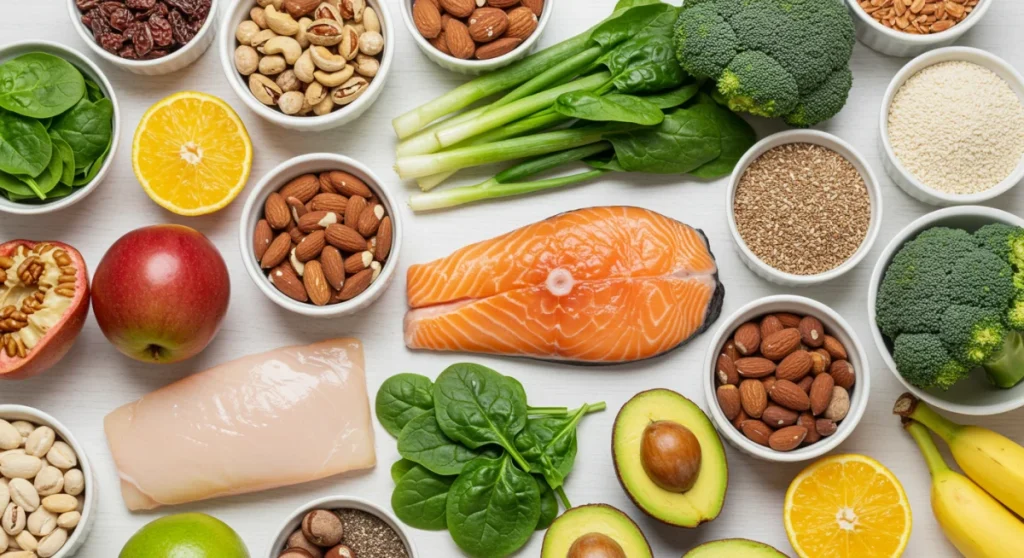
Leafy greens: Excellent sources of B vitamins, iron, and magnesium.
Berries and citrus fruits: Packed with vitamin C, an antioxidant that supports overall health and energy.
Nuts and seeds: Rich in magnesium, healthy fats, and protein for sustained energy.
Incorporating a wide variety of these foods ensures you’re getting a broad spectrum of micronutrients. Colourful plates are often an indicator of diverse nutrient intake, so aim for a rainbow of fruits and vegetables in your daily diet.
Beyond micronutrients, whole foods provide fibre, which is essential for digestive health and helps regulate blood sugar levels, preventing energy crashes. They also contain antioxidants that combat oxidative stress, a factor in age-related cellular damage and fatigue. By making nutrient-dense whole foods the cornerstone of your diet, you provide your body with the superior fuel it needs to thrive and maintain energy levels well into your later years.
In summary, prioritising nutrient-dense whole foods is not just about eating healthy; it’s about strategically fuelling your body to combat age-related energy decline. This dietary change empowers you to experience sustained vitality and improved overall well-being.
Dietary Change 2: Balancing Macronutrients for Stable Blood Sugar
Maintaining stable blood sugar levels is paramount for sustained energy, especially for individuals over 40. Fluctuations in blood sugar, often caused by diets high in refined carbohydrates and sugars, lead to energy spikes followed by dramatic crashes, leaving you feeling tired and sluggish. The second crucial dietary change involves strategically balancing your macronutrient intake—proteins, fats, and complex carbohydrates—to prevent these energy rollercoasters.
This balance ensures a slow and steady release of glucose into your bloodstream, providing a consistent energy supply throughout the day. For those in the US over 40, this approach is particularly beneficial as insulin sensitivity can sometimes decrease with age, making blood sugar regulation even more critical.
The role of protein and healthy fats
Protein is vital for satiety and helps slow down the absorption of carbohydrates, thereby stabilising blood sugar. It also supports muscle maintenance, which is crucial for metabolism and strength as we age. Healthy fats, such as monounsaturated and polyunsaturated fats, also contribute to satiety and provide a concentrated source of energy.
Lean protein sources: Chicken breast, turkey, fish, eggs, and plant-based options like lentils and beans.
Healthy fats: Avocados, nuts, seeds, olive oil, and fatty fish like salmon.
Pairing: Always aim to combine protein and healthy fats with your carbohydrates to mitigate blood sugar spikes.
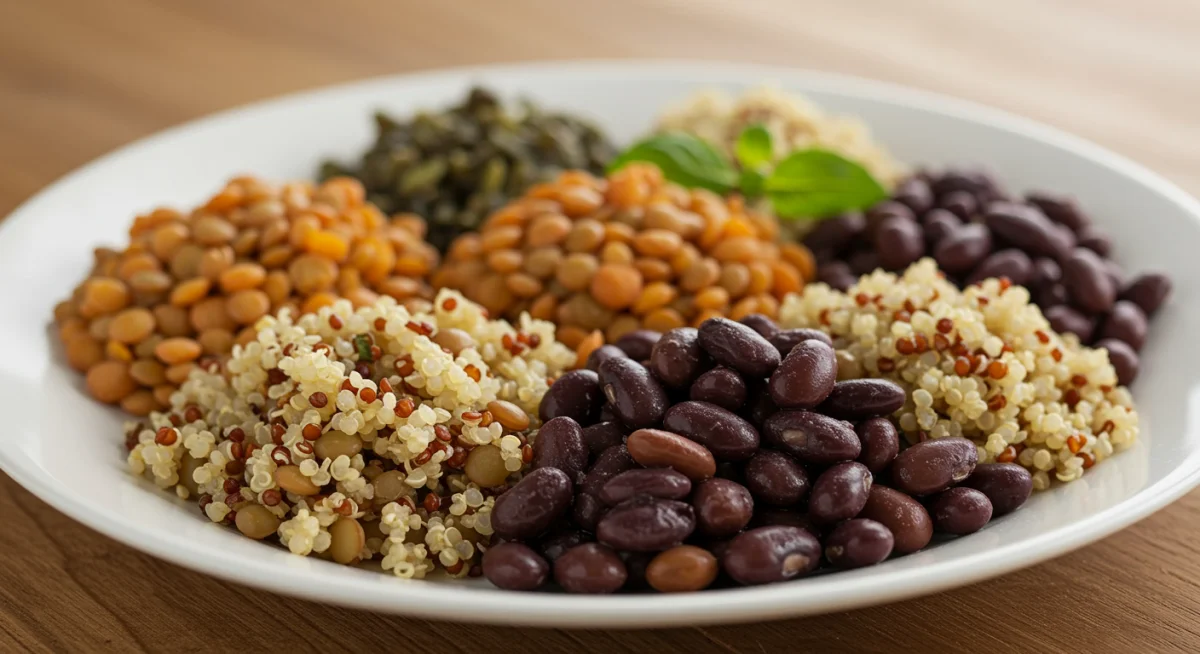
Complex carbohydrates, found in whole grains, vegetables, and legumes, are digested more slowly than simple carbohydrates. This slow digestion prevents rapid rises in blood sugar. They also provide essential fibre, further aiding in digestion and blood sugar control.
By consciously constructing meals that feature a balanced ratio of these macronutrients, you can avoid the common pitfalls of energy crashes. For example, instead of a plain bagel for breakfast, opt for whole-wheat toast with avocado and an egg. Instead of white pasta, choose whole-wheat pasta with lean protein and plenty of vegetables. These simple swaps make a significant difference in how your body processes food and converts it into usable, long-lasting energy.
In essence, balancing your macronutrients is a powerful tool in your dietary arsenal to achieve stable blood sugar and, consequently, consistent energy levels throughout your day. This strategy is key to feeling vibrant and energised as you get older.
Dietary Change 3: Optimising Hydration and Electrolyte Balance
Often overlooked, adequate hydration and proper electrolyte balance are fundamental to maintaining high energy levels, especially for individuals over 40. Even mild dehydration can lead to fatigue, reduced cognitive function, and decreased physical performance. As we age, our sensation of thirst can diminish, making it easier to become inadvertently dehydrated. Therefore, consciously optimising your fluid intake is a non-negotiable step in boosting energy naturally.
Beyond just water, ensuring a balance of electrolytes—minerals like sodium, potassium, calcium, and magnesium—is crucial. These electrolytes play vital roles in nerve function, muscle contraction, and maintaining fluid balance within cells, all of which directly impact energy production.
The critical role of water
Water is involved in almost every bodily function, including nutrient transport, waste removal, and temperature regulation. When you’re dehydrated, your blood volume decreases, requiring your heart to work harder to pump oxygen and nutrients to your muscles and organs. This extra effort can quickly lead to fatigue.
Daily intake: Aim for at least 8-10 glasses (around 2-2.5 litres) of water daily, adjusting for activity levels and climate.
Consistent sipping: Don’t wait until you’re thirsty; sip water throughout the day.
Water-rich foods: Incorporate fruits and vegetables with high water content, such as cucumbers, watermelon, and celery.
Electrolytes are lost through sweat and normal bodily processes. While a balanced diet usually provides sufficient electrolytes, intense exercise, certain medications, or illnesses can deplete them. Replenishing these is key to preventing fatigue and muscle cramps.
Natural sources of electrolytes include coconut water, fruits like bananas and oranges, leafy greens, and sea salt. For those over 40, being mindful of sodium intake is also important, but completely eliminating it can lead to electrolyte imbalances. The key is balance and listening to your body’s signals.
In conclusion, optimising hydration and ensuring proper electrolyte balance are simple yet incredibly powerful dietary changes that can significantly boost your energy. By making conscious efforts to drink enough water and consume electrolyte-rich foods, you provide your body with the essential elements it needs to function optimally and maintain high vitality.
Incorporating Anti-Inflammatory Foods for Better Energy
Chronic inflammation, often subtle and pervasive, can be a significant drain on energy levels, particularly for individuals over 40. As we age, our bodies can become more prone to low-grade, systemic inflammation, which is linked to a host of health issues, including fatigue. The good news is that diet plays a crucial role in managing and reducing this inflammation. Incorporating a variety of anti-inflammatory foods can therefore be a powerful strategy to naturally boost energy.
An anti-inflammatory diet focuses on whole, unprocessed foods that contain compounds known to combat inflammation, while limiting foods that promote it. This dietary approach not only helps in energy production but also supports overall health and longevity, which is particularly relevant for the US population over 40 looking for sustainable wellness solutions.
Key anti-inflammatory food groups
Several food groups are renowned for their anti-inflammatory properties. These foods are typically rich in antioxidants, omega-3 fatty acids, and various phytonutrients that work synergistically to quell inflammation throughout the body.
Omega-3 rich foods: Fatty fish (salmon, mackerel, sardines), flaxseeds, chia seeds, and walnuts. These healthy fats are potent anti-inflammatory agents.
Colourful fruits and vegetables: Berries, cherries, leafy greens (spinach, kale), broccoli, and bell peppers are packed with antioxidants like anthocyanins and vitamin C.
Spices and herbs: Turmeric (with curcumin), ginger, garlic, and rosemary have well-documented anti-inflammatory effects.
Conversely, it’s equally important to reduce or eliminate pro-inflammatory foods such as refined sugars, trans fats, excessive red meat, and highly processed foods. These items can trigger inflammatory responses in the body, counteracting the benefits of anti-inflammatory choices.
By consistently choosing foods that fight inflammation, you help your body reduce the burden of chronic internal stress. This reduction in inflammation frees up energy that would otherwise be spent on combating internal damage, allowing your body to allocate it towards daily activities and overall vitality. The cumulative effect of an anti-inflammatory diet is a noticeable improvement in energy levels, mood, and physical comfort.
Ultimately, integrating anti-inflammatory foods into your daily diet is a strategic move to preserve and enhance your energy as you age. It’s an investment in your long-term health and a proactive step towards a more vibrant life beyond 40.
The Importance of Gut Health for Energy in Older Adults
The health of your gut microbiome, the complex community of microorganisms living in your digestive tract, has a profound and often underestimated impact on your energy levels, especially as you get older. For individuals over 40 in the US, maintaining a balanced and diverse gut flora is crucial for optimal nutrient absorption, immune function, and even mood regulation, all of which directly influence how energetic you feel. A compromised gut can lead to inflammation, nutrient deficiencies, and impaired energy production.
This connection highlights why focusing on gut-supportive foods is not just a trend but a fundamental dietary change for sustained vitality. A healthy gut ensures that the nutrient-dense foods you consume are properly processed and their energy-boosting components are efficiently absorbed by your body.
Dietary strategies for a thriving gut
Cultivating a healthy gut microbiome primarily involves consuming a diet rich in prebiotics and probiotics. Prebiotics are types of fibre that feed beneficial gut bacteria, while probiotics are live bacteria that add to the healthy microbes in your gut.
Probiotic-rich foods: Fermented foods like yoghurt (with live cultures), kefir, sauerkraut, kimchi, and kombucha.
Prebiotic-rich foods: Garlic, onions, leeks, asparagus, bananas, oats, and apples. These fibres are indigestible by humans but are a feast for gut bacteria.
Fibre diversity: Beyond prebiotics, a wide variety of plant-based fibres from fruits, vegetables, whole grains, nuts, and seeds supports overall gut diversity.
Limiting artificial sweeteners, excessive alcohol, and highly processed foods is also vital, as these can negatively impact gut diversity and promote the growth of less beneficial bacteria. The balance of your gut flora can directly influence the production of short-chain fatty acids, which are crucial for gut lining integrity and can even serve as an energy source for cells.
Moreover, the gut-brain axis, a bidirectional communication system, means that gut health influences neurotransmitter production, including serotonin, which impacts mood and sleep—both critical for energy. By nurturing your gut, you’re not just improving digestion; you’re enhancing a complex system that underpins your overall energy and well-being.
In essence, prioritising gut health through dietary choices is an integral part of any strategy to boost energy naturally for those over 40. A happy gut contributes significantly to a more energetic and vibrant you, making it a cornerstone of age-defying wellness.
Mindful Eating Practices for Enhanced Energy Absorption
Beyond simply choosing the right foods, how you eat them can significantly impact your energy levels. Mindful eating practices, a dietary change often overlooked, involve paying full attention to your food, your body’s hunger and fullness cues, and the entire eating experience. For individuals over 40 in the US, incorporating mindfulness into meal times can enhance nutrient absorption, improve digestion, and prevent overeating, all of which contribute to more stable and sustained energy throughout the day.
Rushing through meals, eating while distracted, or ignoring satiety signals can lead to digestive discomfort, inefficient nutrient uptake, and subsequent energy dips. By slowing down and engaging all your senses, you allow your body to better process food and signal when it’s truly satisfied.
Techniques for mindful eating
Mindful eating isn’t about strict rules or diets; it’s a practice that cultivates a healthier relationship with food and your body. It encourages you to be present and aware, transforming a routine activity into a nourishing experience.
Eat slowly: Take your time with meals, chewing thoroughly. This gives your digestive system a head start and allows your brain to register fullness.
Eliminate distractions: Turn off the TV, put away your phone, and focus solely on your meal.
Listen to your body: Pay attention to physical hunger and fullness cues. Eat when you’re hungry, and stop when you’re comfortably full, not stuffed.
Practising mindful eating also involves appreciating your food—its colours, textures, aromas, and tastes. This sensory engagement can make eating a more enjoyable experience and can help prevent emotional eating, which often leads to poor food choices and subsequent energy crashes.
Improved digestion is a direct benefit of mindful eating. When you eat slowly and chew thoroughly, your body has more time to release digestive enzymes, leading to better breakdown and absorption of nutrients. This efficiency means your body can extract more energy from the food you consume, contributing to overall vitality. Moreover, reduced digestive stress means less energy diverted to processing food, leaving more energy for other bodily functions.
In conclusion, incorporating mindful eating practices is a powerful, yet simple, dietary change that can dramatically enhance your energy absorption and overall well-being. It’s a holistic approach that complements healthy food choices, ensuring that your body not only gets the right fuel but also uses it most effectively.
Lifestyle Synergies: Beyond Diet for Sustainable Energy
While dietary changes are foundational, achieving truly sustainable energy levels for individuals over 40 in the US requires a holistic approach that integrates lifestyle factors. Diet works synergistically with other habits to either boost or deplete your vitality. Ignoring these interconnected elements can undermine even the most diligent dietary efforts. Understanding and addressing these synergies is key to unlocking your full energy potential and maintaining it for years to come.
For those looking to boost energy over 40, consider how sleep, physical activity, and stress management interact with your food choices. These elements don’t just complement a healthy diet; they are integral parts of the energy equation, ensuring that your body can effectively utilise the nutrients you consume.
The power of quality sleep and regular movement
Sleep is when your body repairs itself, consolidates memories, and recharges its energy stores. Chronic sleep deprivation directly impacts energy levels, mood, and even hunger hormones, making it harder to make healthy food choices. Aim for 7-9 hours of quality sleep per night.
Consistent sleep schedule: Go to bed and wake up at roughly the same time each day, even on weekends.
Optimise sleep environment: Ensure your bedroom is dark, quiet, and cool.
Limit screen time: Avoid electronic devices at least an hour before bed.
Regular physical activity, even moderate exercise, significantly boosts energy. It improves cardiovascular health, increases stamina, and releases endorphins, which have mood-boosting effects. Exercise also helps regulate blood sugar and improves insulin sensitivity, enhancing the benefits of a balanced diet.
Stress management is another critical, often overlooked, component. Chronic stress can lead to adrenal fatigue, deplete essential nutrients, and disrupt sleep patterns. Techniques like meditation, yoga, spending time in nature, or engaging in hobbies can help mitigate stress’s negative impact on energy.
By consciously integrating these lifestyle elements alongside your dietary changes, you create a powerful framework for sustained energy. It’s about building a supportive ecosystem for your body and mind, where each healthy habit reinforces the others, leading to a profound and lasting improvement in how you feel day-to-day.
In essence, recognising the synergy between diet and lifestyle is vital for sustainable energy. For those over 40, a comprehensive approach that includes quality sleep, regular movement, and effective stress management will amplify the benefits of dietary changes, leading to a truly energised and vibrant life.
Key Dietary Change
Brief Description
Nutrient-Dense Whole Foods
Focus on fruits, vegetables, lean proteins, and complex carbohydrates to provide essential vitamins and minerals for sustained energy.
Balanced Macronutrient Intake
Combine proteins, healthy fats, and complex carbs to stabilise blood sugar, preventing energy spikes and crashes.
Optimised Hydration & Electrolytes
Ensure adequate water intake and consume electrolyte-rich foods to prevent dehydration-induced fatigue and support cellular function.
Gut Health & Anti-inflammatory Diet
Support gut microbiome with prebiotics/probiotics and reduce inflammation with omega-3s, antioxidants for better energy absorption.
Frequently asked questions about boosting energy over 40
Why do energy levels decline after 40, and how can diet help?▼
After 40, metabolism often slows, hormonal balances shift, and nutrient absorption may decrease, leading to fatigue. A diet rich in nutrient-dense whole foods can counteract these changes by providing essential vitamins, minerals, and sustained energy, optimising cellular function and metabolic health.
What are the best types of carbohydrates for sustained energy?▼
Complex carbohydrates found in whole grains, vegetables, and legumes are ideal for sustained energy. They are digested slowly, providing a steady release of glucose into the bloodstream, which prevents energy crashes associated with simple sugars. Pairing them with protein and healthy fats further stabilises blood sugar.
How does hydration impact energy levels for people over 40?▼
Even mild dehydration can significantly reduce energy, impair cognitive function, and decrease physical performance. For those over 40, a diminished thirst sensation makes conscious hydration crucial. Adequate water intake supports nutrient transport, waste removal, and overall cellular function, directly boosting vitality.
Can gut health really affect my energy levels?▼
Absolutely. A healthy gut microbiome is essential for efficient nutrient absorption, immune function, and even neurotransmitter production. An imbalanced gut can lead to inflammation and nutrient deficiencies, draining energy. Consuming prebiotics and probiotics supports a thriving gut, which in turn enhances overall energy.
Are there any foods to avoid to prevent energy dips?▼
To avoid energy dips, limit highly processed foods, refined sugars, and unhealthy fats. These can cause rapid blood sugar spikes followed by crashes, and contribute to chronic inflammation that saps energy. Focus instead on whole, unprocessed foods that provide stable and sustained energy.
Conclusion
Reclaiming your energy after 40 doesn’t have to be an elusive dream. By embracing these three proven dietary changes—prioritising nutrient-dense whole foods, balancing macronutrients for stable blood sugar, and optimising hydration and electrolyte balance—you can significantly boost your vitality naturally. Coupled with mindful eating and synergistic lifestyle adjustments like quality sleep and stress management, these strategies offer a comprehensive pathway to sustained energy and enhanced well-being for individuals in the US, updated for 2025. It’s about making informed choices that nourish your body from the inside out, empowering you to live a more energetic and fulfilling life.