Sustainable Fashion in 2025: Eco-Friendly Brands Impacting Style
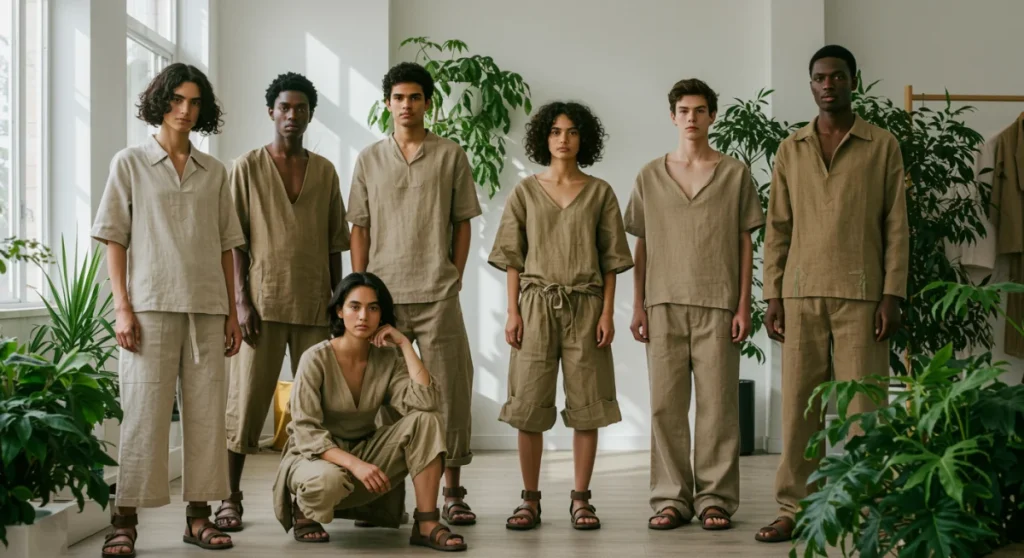
As sustainable fashion gains momentum, identifying truly eco-friendly brands in 2025 requires understanding their commitment to ethical production, innovative materials, and transparent supply chains, driving a significant impact on style.
Por: Igor Teixeira em 30 de outubro de 2025
Última atualização em: 5 de dezembro de 2025
Advertisements
Identifying truly sustainable fashion brands in 2025 means looking beyond greenwashing to assess their genuine commitment to environmental protection, fair labour practices, and circular design principles that redefine modern style.
Advertisements
The landscape of fashion is ever-evolving, and by 2025, the conversation around sustainability has moved from niche to mainstream. Understanding sustainable fashion in 2025 is no longer just about avoiding harm; it’s about actively seeking out brands that are making a tangible, positive impact on both the planet and people.
The rise of conscious consumerism: what defines sustainable fashion in 2025?
In 2025, conscious consumerism isn’t just a trend; it’s a foundational shift in how we approach purchasing decisions, especially in fashion. Consumers are increasingly informed and demand transparency, ethical practices, and genuine environmental responsibility from the brands they support. This evolution has redefined what it means for a brand to be truly sustainable.
Advertisements
Gone are the days when a single ‘eco-friendly’ label sufficed. Today, sustainability encompasses a holistic approach, considering every stage of a garment’s lifecycle. From sourcing raw materials to production, distribution, and end-of-life, each step is scrutinised for its environmental and social footprint. This comprehensive view ensures that brands are accountable across their entire value chain.
With the proliferation of ‘green’ marketing, distinguishing genuinely sustainable brands from those engaging in greenwashing can be challenging. However, several key indicators can help consumers make informed choices. These go beyond mere claims and delve into verifiable actions and certifications.
Material innovation: Brands committed to sustainability often prioritise innovative, low-impact materials such as organic cotton, recycled polyester, Tencel, or even bio-based fabrics derived from algae or fungi.
Circular design principles: A focus on designing products for longevity, repairability, and recyclability, aiming to eliminate waste and keep resources in use for as long as possible.
Ethical labour practices: Ensuring fair wages, safe working conditions, and no forced labour throughout the supply chain, often verified by third-party certifications.
Reduced environmental footprint: Minimising water usage, energy consumption (often using renewable sources), and chemical pollution in manufacturing processes.
Furthermore, true sustainable fashion in 2025 is characterised by a commitment to continuous improvement. Brands that are leaders in this space are not content with meeting minimum standards; they actively invest in research and development to find even better, more sustainable solutions. This proactive approach is crucial for driving systemic change within the industry.
Ultimately, conscious consumerism in 2025 empowers individuals to use their purchasing power to support brands that align with their values. It’s about making choices that contribute to a healthier planet and a more equitable society, demonstrating that style and ethics can coexist beautifully.
Decoding transparency: why supply chain visibility matters for eco-friendly brands
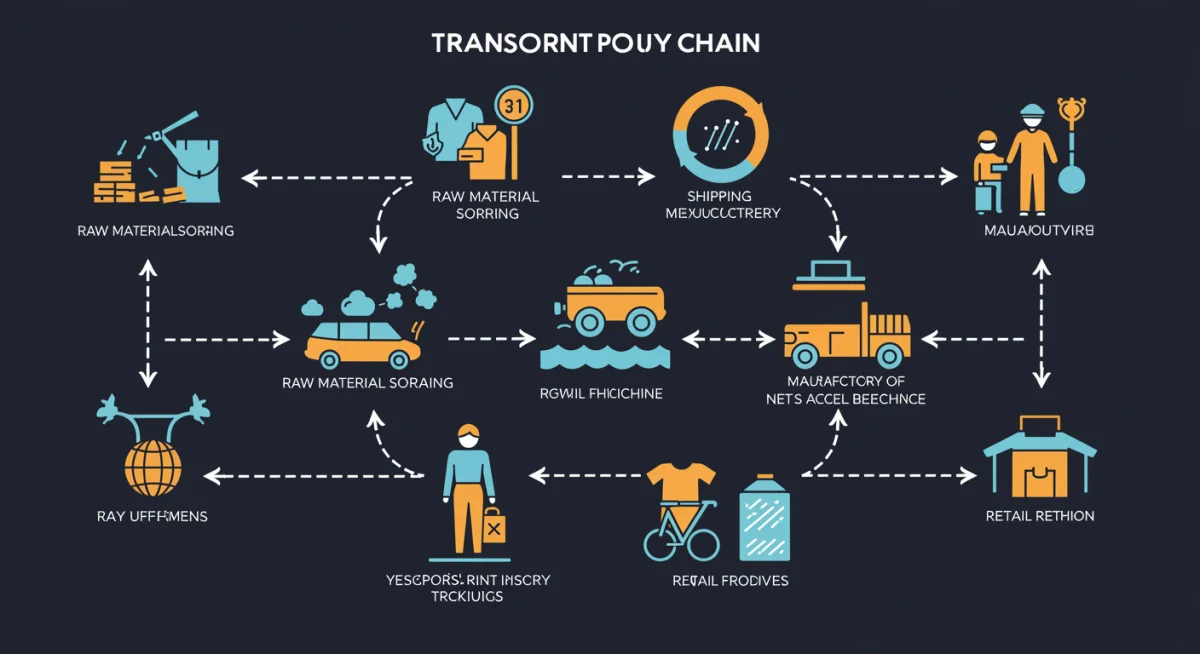
In the complex world of fashion, transparency is the bedrock of genuine sustainability. For eco-friendly brands in 2025, simply stating a commitment to sustainability is no longer enough; they must be able to demonstrate it through clear and verifiable supply chain visibility. This means being open about where materials come from, who makes their clothes, and under what conditions.
A transparent supply chain allows consumers, regulators, and watchdog organisations to trace a product’s journey from raw material to finished garment. This level of openness helps to uncover and address potential environmental and social issues that might otherwise remain hidden. Without it, claims of sustainability can easily be dismissed as mere marketing ploys.
The benefits of a fully traceable supply chain
Brands that invest in supply chain transparency gain significant advantages, fostering trust and credibility with their audience. This commitment often translates into a stronger brand reputation and customer loyalty, as consumers increasingly value honesty and accountability.
Mitigating risks: Identifying and addressing environmental harms, such as excessive water pollution or deforestation, and social risks like child labour or unsafe working conditions.
Building trust: Providing consumers with detailed information about their products’ origins and impact, empowering them to make informed purchasing decisions.
Driving innovation: Encouraging suppliers to adopt more sustainable practices and fostering collaborative efforts to improve the entire value chain.
Regulatory compliance: Preparing for and adhering to stricter environmental and labour regulations that are becoming more prevalent globally.
Achieving full transparency is a monumental task, often requiring significant investment in technology and robust data management systems. Brands utilise tools like blockchain, RFID tagging, and detailed supplier audits to map out their intricate networks. These technologies provide an immutable record of each step, making it nearly impossible for unethical practices to go unnoticed.
Moreover, transparency extends beyond just internal processes. Leading eco-friendly brands often publish detailed sustainability reports, make their supplier lists public, and engage in third-party certifications. These external validations provide an additional layer of assurance, helping consumers to confidently identify brands that are truly dedicated to sustainable practices.
Ultimately, decoding transparency is crucial for anyone navigating sustainable fashion in 2025. It empowers consumers to reward brands that are genuinely committed to making a difference and holds the entire industry to a higher standard of environmental and social responsibility.
Brand spotlight 1: Patagonia – a pioneer in ethical outdoor wear
When discussing sustainable fashion in 2025, it’s impossible to overlook Patagonia, a brand that has consistently set the benchmark for ethical and environmental responsibility since its inception. While primarily known for outdoor apparel, Patagonia’s influence extends across the entire fashion industry, demonstrating that high-performance products can go hand-in-hand with profound environmental stewardship.
Patagonia’s commitment to sustainability is deeply woven into its corporate DNA. They have pioneered numerous initiatives that were once considered radical but are now becoming industry standards. Their long-standing philosophy revolves around producing durable, high-quality goods that last, thereby reducing the need for constant consumption.
Key sustainability initiatives and impact
Worn Wear programme: Encourages customers to repair, reuse, and recycle their garments, offering repair services and even selling used Patagonia clothing. This directly challenges the fast fashion model.
Organic cotton and recycled materials: A long-standing commitment to using 100% organic cotton and a significant percentage of recycled polyester in their products, reducing reliance on virgin resources and harmful chemicals.
Fair labour practices: Patagonia is a leader in fair trade certification, ensuring that the workers who make their clothes receive fair wages and work in safe conditions. They advocate for worker empowerment and transparency across their supply chain.
Environmental activism: The brand donates 1% of all sales to environmental organisations and has been vocal advocates for environmental protection, often engaging in political activism to safeguard natural habitats.
Patagonia’s transparency is exemplary. They openly share their supply chain information, detailing their factories and material suppliers. This level of openness allows consumers to see exactly where and how their products are made, reinforcing trust and accountability. Their annual impact reports provide a detailed account of their environmental and social performance.
What makes Patagonia particularly impactful in 2025 is their unwavering dedication to challenging consumerism. They actively encourage customers to buy less and make conscious choices, even if it means buying fewer of their own products. This counter-intuitive business model has proven to be incredibly successful, demonstrating that sustainability can be a powerful driver of brand loyalty and financial success.
Patagonia’s legacy is a testament to the fact that a company can prioritise planet and people alongside profit, setting a strong example for how sustainable fashion in 2025 can truly make a difference.
Brand spotlight 2: Eileen Fisher – timeless design with a conscience
Eileen Fisher stands as a beacon of sustainable fashion, particularly for those seeking timeless, elegant designs crafted with an unwavering commitment to environmental and social responsibility. The brand has, for decades, championed a philosophy that intertwines minimalist aesthetics with profound ethical practices, proving that sophisticated style does not need to come at the Earth’s expense.
Founded on principles of simplicity, quality, and sustainability, Eileen Fisher’s approach focuses on creating versatile pieces designed to last. This commitment to longevity inherently reduces the environmental impact associated with fast fashion’s disposable trends. Their garments are not just clothes; they are investments in a sustainable wardrobe, built to be cherished and worn for years.
Sustainability pillars and innovative programmes
Organic and recycled materials: A pioneer in using organic cotton, linen, and wool, Eileen Fisher also heavily incorporates recycled materials, including cashmere and nylon, reducing waste and conserving resources.
Waste reduction and circularity: The brand operates a take-back program called ‘Renew,’ where customers can return worn Eileen Fisher garments. These are then cleaned, repaired, and resold, or recycled into new materials, exemplifying a true circular economy model.
Ethical labour practices: Eileen Fisher is deeply committed to fair labour practices, working closely with suppliers to ensure safe conditions, fair wages, and transparency. They have comprehensive social responsibility programmes in place.
Water and energy conservation: Implementing innovative dyeing techniques that significantly reduce water usage and chemical pollution, and continually striving to reduce energy consumption in their manufacturing processes.
The brand’s dedication to transparency is evident in its detailed reporting on sustainability initiatives and its publicly stated goals for reducing environmental impact. They provide comprehensive information about their materials, factories, and social programmes, allowing consumers to understand the ethical journey of each garment. This openness builds a strong bond of trust with their discerning customer base.
Eileen Fisher’s influence in shaping sustainable fashion in 2025 comes from its consistent advocacy for a slower, more thoughtful approach to clothing. They challenge the industry to move away from seasonal trends towards enduring style, demonstrating that quality and ethics can create a powerful and lasting aesthetic. Their Renew programme, in particular, is a groundbreaking example of how brands can take responsibility for the entire lifecycle of their products.
For those seeking fashion that is both beautiful and responsible, Eileen Fisher offers a compelling vision of what sustainable style can truly embody in the modern era.
Brand spotlight 3: tentree – planting a future with every purchase
Tentree represents a new wave of eco-friendly brands that directly link consumer purchases to tangible environmental action, making them a significant player in the landscape of sustainable fashion in 2025. This Canadian brand is renowned for its commitment to planting ten trees for every item purchased, a straightforward yet incredibly impactful model that resonates deeply with environmentally conscious consumers.
Beyond its innovative tree-planting initiative, tentree is dedicated to crafting comfortable, stylish apparel using some of the most sustainable materials available. Their philosophy is not just about offsetting carbon footprints but about actively regenerating ecosystems and promoting a more sustainable way of living. This dual approach of ethical production and direct environmental restoration sets them apart.
Core environmental and social commitments
Sustainable materials focus: Utilising a high percentage of eco-friendly fabrics such as Tencel Lyocell, organic cotton, recycled polyester, and hemp, reducing the environmental impact of raw material sourcing.
Ethical manufacturing: Ensuring fair labour practices, safe working conditions, and living wages for all workers in their supply chain. They partner with factories that adhere to strict social and environmental standards.
Certified B Corporation: Tentree is a certified B Corp, meaning it meets rigorous standards of social and environmental performance, accountability, and transparency. This certification underlines their holistic commitment to sustainability.
Tree planting initiative: Their signature programme, where ten trees are planted for every item sold. Customers receive a code to track their trees, adding a layer of engagement and transparency to their environmental efforts.
Tentree’s transparency is built into its core model, particularly through its tree-planting programme. Customers can literally see the impact of their purchase, which fosters a unique connection to the brand’s mission. Furthermore, they provide detailed information about their materials, manufacturing processes, and the locations where their trees are planted, offering a comprehensive view of their operations.
The brand’s impact on sustainable fashion in 2025 is profound because it demonstrates how a direct, measurable environmental benefit can be integrated into a business model. Tentree proves that consumers can actively contribute to ecological restoration simply by choosing to purchase their clothing. This approach not only makes sustainability accessible but also highly engaging.
Tentree is more than just a clothing company; it’s a movement towards a greener future, showing that every purchase can be a step towards positive environmental change.
How to identify truly eco-friendly brands in 2025: a checklist
Navigating the sustainable fashion landscape in 2025 requires a discerning eye, as many brands claim eco-credentials without the substantive practices to back them up. To genuinely identify eco-friendly brands that are making a real impact, consumers need a comprehensive checklist that goes beyond superficial marketing. This checklist empowers you to look for concrete evidence of sustainability, ensuring your purchases align with your values.
The key is to seek out brands that are transparent, accountable, and committed to continuous improvement across their entire operations. It’s about asking the right questions and knowing where to find reliable answers.
Your essential sustainability checklist
Material composition: Does the brand primarily use organic, recycled, upcycled, or innovative bio-based materials? Look for certifications like GOTS (Global Organic Textile Standard) or Oeko-Tex.
Manufacturing process: Are their factories powered by renewable energy? Do they minimise water usage and chemical discharge? Certifications like Bluesign or Fair Trade Certified factories are strong indicators.
Supply chain transparency: Do they openly share information about their suppliers, from raw material providers to garment factories? Look for detailed sustainability reports and publicly available factory lists.
Ethical labour standards: Are workers paid fair wages and provided with safe working conditions? Certifications such as Fair Trade, SA8000, or being a B Corp indicate adherence to high social standards.
Circular economy initiatives: Do they have take-back programmes, repair services, or initiatives for product recycling and upcycling? This indicates a commitment to extending product life and reducing waste.
Longevity and quality: Is the clothing designed for durability and timelessness, encouraging less frequent purchases? High-quality construction and classic designs are hallmarks.
Environmental advocacy: Does the brand actively support environmental causes or engage in advocacy? Look for affiliations with organisations like 1% for the Planet.
Beyond this checklist, consider the brand’s overall narrative and consistency. Do their claims align with their actions? Are they honest about their challenges and committed to addressing them? A truly eco-friendly brand will acknowledge its imperfections and actively work towards solutions, rather than presenting a flawless, unrealistic image.
By diligently applying this checklist, you can confidently navigate the world of sustainable fashion in 2025, supporting brands that are genuinely committed to making a positive impact on both style and the planet. Your choices have the power to shape a more sustainable future for the entire industry.
The future of style: integrating ethics and aesthetics in 2025
The integration of ethics and aesthetics is no longer a compromise but a defining characteristic of the future of style in 2025. Consumers are increasingly unwilling to sacrifice their values for fashion, driving brands to innovate and prove that beautiful, desirable clothing can also be produced responsibly. This convergence is transforming the industry, creating a new paradigm where sustainability is intrinsically linked to design excellence.
This shift is propelled by a growing awareness of fashion’s environmental and social impact, coupled with a desire for authenticity and purpose-driven consumption. Brands that successfully marry ethical practices with compelling aesthetics are the ones thriving, demonstrating that conscious choices can lead to elevated style.
Key trends shaping ethical aesthetics
Minimalist and timeless designs: A move away from fleeting trends towards classic, versatile pieces that transcend seasons, promoting longevity and reducing waste.
Craftsmanship and quality: An appreciation for well-made garments using high-quality, sustainable materials that are built to last, valuing durability over disposability.
Innovative sustainable materials: The increasing use of luxurious and high-performance eco-friendly fabrics, such as silk alternatives from orange peel, mushroom leather, or advanced recycled synthetics.
Transparency as a design element: Brands proudly showcasing their ethical supply chains and material origins, with stories of sustainability becoming part of the product’s appeal.
Upcycling and customisation: A growing trend for unique, one-of-a-kind pieces created through upcycling existing garments or offering bespoke customisation services to extend product life.
Designers are at the forefront of this revolution, experimenting with new patterns, textures, and silhouettes that are both innovative and eco-conscious. They are proving that sustainable materials can be just as, if not more, beautiful and functional than their conventional counterparts. This creative exploration is pushing the boundaries of what is possible in fashion, leading to exciting and responsible collections.
Moreover, the narrative around ethical fashion is shifting from one of sacrifice to one of empowerment and sophistication. Wearing sustainable clothing is becoming a statement of informed choice, personal integrity, and refined taste. It reflects a deeper connection to the provenance of one’s garments and an understanding of their broader impact.
In 2025, the future of style is undoubtedly ethical. It’s a future where conscious consumption is synonymous with cutting-edge design, and where every garment tells a story of responsibility, innovation, and enduring beauty.
Supporting sustainable fashion: your role as a conscious consumer
Your role as a conscious consumer is paramount in driving the sustainable fashion movement forward in 2025. While brands bear the responsibility of adopting ethical practices, consumer demand and choices significantly influence the industry’s direction. Every purchasing decision you make has the power to either perpetuate unsustainable practices or champion a healthier, more equitable future for fashion.
Becoming a conscious consumer involves more than just buying from ‘eco-friendly’ brands; it’s about adopting a holistic approach to your wardrobe and consumption habits. It’s about mindful consumption, informed choices, and active engagement with the principles of sustainability.
Practical steps for conscious consumption
Educate yourself: Understand the environmental and social impacts of fast fashion and learn what to look for in truly sustainable brands. Use resources like this article to guide your choices.
Prioritise quality over quantity: Invest in fewer, high-quality, durable garments that will last longer, reducing the need for frequent replacements.
Embrace second-hand and vintage: Explore thrift stores, consignment shops, and online platforms for pre-loved clothing. This extends the life of garments and reduces demand for new production.
Repair and care for your clothes: Learn basic mending skills or utilise repair services to prolong the life of your garments. Follow care instructions to ensure longevity.
Support transparent and ethical brands: Actively seek out and purchase from brands that demonstrate genuine commitment to sustainability, ethical labour, and transparency.
Demand change: Use your voice to advocate for better practices. Engage with brands on social media, ask questions, and support policies that promote sustainability in fashion.
Consider rental and swapping: For special occasions or to refresh your wardrobe without buying new, explore clothing rental services or organise clothing swaps with friends.
Your impact extends beyond your individual purchases. By choosing to support brands committed to sustainable fashion in 2025, you send a clear message to the wider industry that ethical practices are valued and expected. This collective consumer pressure can incentivise more brands to adopt responsible manufacturing processes and transparent supply chains.
Furthermore, by engaging in conversations about sustainable fashion, you help to raise awareness and inspire others to make more conscious choices. Each small step taken by individuals contributes to a larger movement, collectively driving the industry towards a more sustainable and equitable future. Your role is not just to consume, but to consume thoughtfully, critically, and with purpose.
Key Aspect
Description
Conscious Consumerism
Shift towards informed purchasing, demanding transparency and ethical practices from fashion brands.
Supply Chain Transparency
Brands openly share material sourcing, production methods, and labour conditions to build trust.
Eco-Friendly Brands
Patagonia, Eileen Fisher, and tentree exemplify leaders in ethical production, material innovation, and environmental impact.
Ethical Aesthetics
Integrating sustainable practices with timeless, high-quality design, proving ethics and style are compatible.
Frequently asked questions about sustainable fashion in 2025
What are the core principles of sustainable fashion in 2025?▼
Sustainable fashion in 2025 is built on principles of environmental protection, ethical labour, circular design, and transparency. It means minimising ecological footprint, ensuring fair treatment for workers, designing for longevity and recyclability, and openly communicating supply chain practices.
How can I spot greenwashing from genuinely sustainable brands?▼
Look for concrete evidence like third-party certifications (e.g., GOTS, Fair Trade), detailed sustainability reports, transparent supply chains, and a focus on durable, high-quality materials. Vague claims without verifiable data are often indicators of greenwashing.
Which materials are considered most sustainable in 2025?▼
In 2025, highly sustainable materials include organic cotton, Tencel Lyocell, hemp, recycled polyester, recycled nylon, and innovative bio-based fabrics derived from sources like mushrooms or algae. These materials have a lower environmental impact during production.
What role do certifications play in identifying sustainable brands?▼
Certifications are crucial as they provide independent verification of a brand’s claims. Labels like GOTS for organic textiles, Fair Trade for ethical labour, or B Corp for overall social and environmental performance offer reliable assurance of sustainable practices.
How can consumers contribute to sustainable fashion beyond buying eco-friendly clothes?▼
Beyond purchasing, consumers can contribute by embracing second-hand clothing, repairing and caring for garments, reducing overall consumption, and advocating for change. Supporting circular initiatives like take-back programmes also plays a vital role in fostering sustainability.
Conclusion: styling a sustainable future, one conscious choice at a time
The journey towards a truly sustainable fashion industry in 2025 is a collective effort, driven by innovative brands, transparent practices, and, crucially, conscious consumers. As we have explored, identifying genuinely eco-friendly brands like Patagonia, Eileen Fisher, and tentree requires looking beyond surface-level claims to understand their deep commitment to ethical production, material innovation, and environmental stewardship. These brands are not just selling clothes; they are selling a vision for a better future, where style and sustainability are seamlessly intertwined. Your choices as a consumer hold immense power, shaping demand and encouraging the entire industry to adopt more responsible practices. By embracing transparency, prioritising quality, and supporting brands that align with your values, you actively participate in styling a sustainable future, one conscious choice at a time.